Waterlow Park house removals tips for Highgate moves
If you are planning a move near Waterlow Park, you already know this part of Highgate can be wonderfully green and quietly awkward at the same time. The streets are attractive, the parking can be tight, and a badly timed van can turn a simple house move into a bit of a circus. These Waterlow Park house removals tips for Highgate moves are designed to help you avoid the usual headaches, protect your furniture, and keep the day moving in a calm, sensible order.
Whether you are shifting a family home, a flat near the park, or a property on one of Highgate's narrower roads, the same rule applies: the better the preparation, the smoother the move. In this guide, you will find practical advice on access, packing, timing, van choice, compliance, and a few local realities that people sometimes overlook until the lorry is already outside.
Quick takeaway: around Waterlow Park, the move goes best when you plan for limited access, protect fragile items properly, and choose the right size vehicle rather than the biggest one available.
- Map access before moving day.
- Book parking and loading space early where possible.
- Pack by room, not by "where it fits".
- Use the right team and vehicle for local streets.
Table of Contents
- Why Waterlow Park house removals tips for Highgate moves Matters
- How Waterlow Park house removals tips for Highgate moves Works
- Key Benefits and Practical Advantages
- Who This Is For and When It Makes Sense
- Step-by-Step Guidance
- Expert Tips for Better Results
- Common Mistakes to Avoid
- Tools, Resources and Recommendations
- Law, Compliance, Standards, or Best Practice
- Options, Methods, or Comparison Table
- Case Study or Real-World Example
- Practical Checklist
- Conclusion
- Frequently Asked Questions
Why Waterlow Park house removals tips for Highgate moves Matters
Moving near Waterlow Park is not the same as moving from a wide suburban cul-de-sac with plenty of turning room. Highgate has character, and with that comes narrow roads, occasional gradients, busy commuter windows, and parking that can disappear in a blink. If you ignore those details, even a well-packed house can feel chaotic by 9:30 in the morning.
That is why local moving advice matters. It saves time, yes, but it also reduces damage, stress, and those awkward moments where everyone is carrying a sofa at an angle and quietly wondering if it will ever fit through the hall. To be fair, most moving problems are not dramatic disasters. They are small planning gaps that snowball.
For homes near Waterlow Park, the practical concerns often include:
- restricted stopping or loading space near the property;
- tight stairwells and older house layouts;
- delicate flooring, banisters, and door frames;
- the need to keep neighbours informed and unbothered;
- choosing a moving van size that actually fits the street.
Good preparation also helps you use services like house removals or broader home moves more effectively, because the move plan is built around the property, not just the date.
How Waterlow Park house removals tips for Highgate moves Works
The basic idea is simple: you assess the move in layers. First, look at the property and access route. Then identify what needs packing, disassembly, protection, and transport. After that, match the right team and vehicle to the job. It sounds obvious, but in practice many people do the packing first and only think about access later. That is backwards, and it usually shows.
A smart move around Waterlow Park usually works like this:
- Survey the access. Check driveway width, road width, parking restrictions, steps, and turning space.
- Inventory the contents. Note bulky furniture, mirrors, lamps, instruments, and anything fragile or valuable.
- Select the vehicle and crew. Decide whether a full removal service, a smaller van, or a more flexible moving option is the better fit.
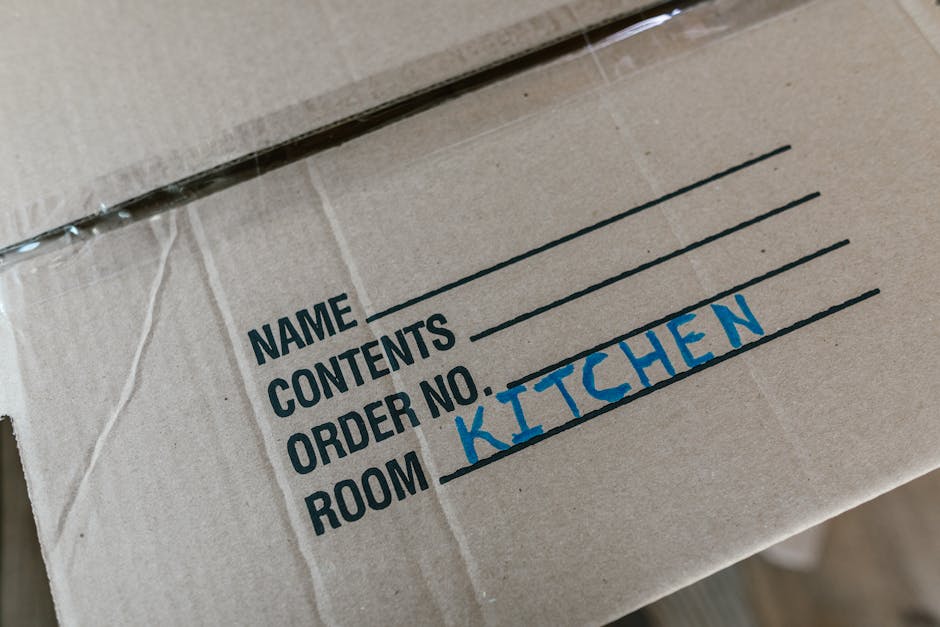
- Pack in a logical sequence. Rooms, labels, and essentials boxes should be handled separately.
- Protect the property. Floor runners, blankets, and corner protection reduce avoidable damage.
- Move in phases if needed. For tricky access, staggered loading can work better than trying to do everything in one go.
If you are weighing up whether you need a full team or a lighter-touch service, it can help to compare house movers with smaller options such as man and van or man with a van. A bigger vehicle is not automatically better if the street is awkward. Sometimes it is just too much vehicle for the location. And that is a very expensive inconvenience.
Key Benefits and Practical Advantages
When you use local, access-aware moving tips, the benefits are immediate. You get fewer delays, fewer lift-and-carry surprises, and a much better chance of keeping your furniture and walls intact. Nobody wants to repaint a hallway because the wardrobe had a little too much confidence.
Here are the main advantages:
- Less risk of damage: protecting doorways, floors, and furniture reduces repair costs later.
- Better time control: a properly planned route avoids last-minute parking chaos.
- Lower physical strain: the right moving method saves your back and your patience.
- Cleaner communication: everyone knows which items move first and which stay with you.
- More predictable costs: fewer surprises mean fewer extra charges or repeat trips.
There is also a quieter benefit: peace of mind. A move can feel like a thousand little decisions. If the basics are handled well, the whole day feels lighter. You can breathe a bit. Have tea without panic. That matters more than people admit.
If you want a broader picture of moving support, browse the site's removal services and removal company information to understand what a structured service can cover.
Who This Is For and When It Makes Sense
These tips are useful for anyone moving in or around Waterlow Park, but they are especially relevant if you are dealing with older housing, limited parking, or a short moving window. Highgate has a mix of property types, and not all of them are forgiving when a large sofa turns up a little too late. Truth be told, some entrances just were not designed with modern furniture in mind.
This advice makes sense for:
- families moving between local houses;
- couples relocating from flats with stairs or narrow hallways;
- downsizers who need careful sorting and selective transport;
- people moving valuable or fragile items;
- landlords and tenants who need the property emptied quickly;
- anyone comparing removals near me options and wanting a more local fit.
It is also sensible if you need a less formal, more flexible approach than a full-size crew. In some moves, a man with van setup works neatly. In others, the job clearly calls for house removalists and a larger moving plan. The right answer depends on the property, not just the budget.
Step-by-Step Guidance
A reliable move near Waterlow Park starts well before the van arrives. The order of work matters. If you do it in a rushed, mixed-up way, you will spend the day looking for keys, tape, chargers, and the one box with the kettle bits in it. Not ideal.
1. Walk the route from front door to vehicle
Start with the path your furniture will actually take. Measure stairs, corners, and doorways. Check for low ceilings or awkward landings. If the largest item cannot turn cleanly, you need a different plan. Simple as that.
2. Sort by priority, not by room sentiment
Pack essentials, documents, and daily-use items separately. Then group fragile items, bulky items, and loose bits like tools or shelf fittings. A good label system saves hours later, especially when the first box opened turns out to be socks rather than plates. It happens.
3. Book the right moving support
If the move is complex, explore a more complete service such as house removals or movers. If you only have a few large items, a smaller solution may be enough. For business-related moves, the site also provides commercial moves and office removals, which is handy if you are combining home and work logistics.
4. Protect surfaces and furniture
Use blankets, wraps, tape that will not mark finishes, and sturdy boxes. Old properties around Highgate often have softer edges than people expect: painted woodwork, worn stair treads, and narrow halls. A few minutes of protection goes a long way.
5. Keep one essentials box with you
Put in chargers, medication, kettle supplies, loo roll, snacks, and a change of clothes. The essentials box is one of those things people laugh about until they need it at 8:40 p.m. after a long day.
6. Load in the right order
Heavy items go in first, then medium boxes, then fragile items secured last. Make sure the load is balanced and nothing can shift. If the route involves multiple trips, clearly mark what comes off first at the new address.
Expert Tips for Better Results
Small details make a surprisingly large difference. The following tips come from the kind of practical stuff that saves time on the day and avoids the "why did we not think of that earlier?" moment.
- Use room colour tags: a simple colour or number system makes unloading faster than long handwritten labels.
- Photograph cable setups: take quick phone photos behind TVs, desks, and routers before disconnecting anything.
- Pre-pack awkward items separately: lampshades, picture frames, curtain rods, and plants deserve their own plan.
- Disassemble only when needed: if a bed or table comes apart easily, do it. If not, sometimes safe moving as-is is better.
- Keep tools in one pouch: Allen keys, screwdrivers, and spare screws should not float around in random drawers.
- Check the weather early: a wet Highgate morning changes everything, especially cardboard and floor grip.
A useful local habit is to prepare for timing delays even when everything seems fine. School traffic, delivery vans, and parking competition can add friction. Not always. But enough that you should plan for it.
Another point: if you are using a specialist service, ask how they handle fragile or heavy items. A professional team should be able to explain protection methods without fluff. Good answers sound calm and practical.
Common Mistakes to Avoid
Most move-day problems are predictable. That is the frustrating part. The good news is that once you know the common mistakes, they are easy to dodge.
- Booking the wrong vehicle size: too big can be awkward; too small means multiple trips.
- Ignoring access constraints: a narrow approach, parked cars, or tight turning space can ruin your schedule.
- Packing too late: last-minute packing leads to breakages and missing essentials.
- Not labelling boxes clearly: vague labels like "misc" are rarely helpful.
- Forgetting furniture measurements: measure before you move, not during the stairwell struggle.
- Leaving paperwork or keys in a random pocket: that one is annoyingly common.
- Underestimating cleaning time: both the old and new property need some attention.
The biggest mistake, honestly, is assuming the move will sort itself out once the van arrives. It won't. A moving day is a sequence of small decisions. If the sequence is muddled, the day feels bigger than it needs to.
Tools, Resources and Recommendations
You do not need specialist kit for every move, but a few well-chosen items make the whole thing easier. The best tools are often boring. Tape. Labels. Blankets. A trolley. Not glamorous, but very effective.
Useful items include:
- strong cardboard boxes in mixed sizes;
- packing tape and tape dispensers;
- marker pens for clear labels;
- bubble wrap, paper wrap, or reusable protective materials;
- furniture blankets and corner protectors;
- ratchet straps or tie-downs for load stability;
- a sack truck or dolly for heavy boxes;
- zip bags for screws, brackets, and small fittings.
If packing feels overwhelming, the site's packing and unpacking services may be worth considering. And if you are moving fewer items or only need transport help, a moving van or removal van can be a sensible match.
You might also want to think about sustainability. If you are discarding furniture or sorting pre-move clutter, see the site's recycling and sustainability information and furniture pick up options where relevant. It is a simple way to reduce waste without turning the whole move into a second project.
Law, Compliance, Standards, or Best Practice
For a house move near Waterlow Park, the main compliance concerns are usually practical rather than highly technical. You are mainly dealing with safe handling, road and parking awareness, insurance, and clear terms with the moving provider. Still, those things matter. A lot.
Best practice usually includes:
- using insured transport and confirming what is covered;
- checking health and safety procedures for lifting, loading, and access;
- understanding payment terms before the move date;
- keeping your personal data and access details secure;
- reading the moving company's terms and conditions carefully.
For reassurance, it helps to review pages such as insurance and safety, health and safety policy, payment and security, privacy policy, and terms and conditions. Those pages are not glamorous reading, but they are the kind of thing you are glad to have checked if anything unusual comes up.
If a complaint ever needs to be raised, a clear complaints procedure is also a sign that the business takes accountability seriously. That matters more than a shiny van, to be fair.
Options, Methods, or Comparison Table
Choosing the right moving approach depends on access, volume, and how much lifting you want to do yourself. Here is a simple comparison to help you think it through.
| Option | Best for | Strengths | Watch-outs |
|---|---|---|---|
| Full house removals | Whole-home moves with furniture and many boxes | Structured, efficient, less self-lifting | Needs more planning and can be overkill for tiny moves |
| Man and van | Smaller loads or flexible local moves | Agile, often easier on tight streets | May need more hands from you for loading or unpacking |
| Removal van with support | Medium-sized moves and mixed furniture | Good balance of space and manoeuvrability | Still needs clear packing and item lists |
| Assisted packing service | Busy households, fragile collections, time-poor moves | Reduces mistakes, saves time | Costs more than doing it all yourself |
If your property is near the park and access is the main issue, flexibility may matter more than raw capacity. If you have a large amount of furniture, a more complete service is usually the safer call. There is no prize for making it harder than it needs to be.
Case Study or Real-World Example
Here is a realistic example from the kind of move this topic is built around. A couple living near Waterlow Park needed to move from a first-floor flat into a terraced house a short distance away. On paper it looked straightforward. In reality, the stairwell was narrow, the street parking was tight, and they had a large dining table that did not enjoy sharp corners.
They handled it well by doing three things early: they measured the table and the stair turns, they packed the breakables separately, and they chose a vehicle size that matched the road rather than the volume of belongings. They also kept one box with tea, snacks, phone chargers, and a few basic tools. Small detail, big difference.
The result? No rushed repacking on the pavement, no frantic hunt for Allen keys, and no damage to the hallway paint. The move still took the whole morning, of course. Moves usually do. But it felt controlled rather than messy, which is really the goal.
That is the pattern you want around Highgate: steady preparation, realistic expectations, and a moving plan that respects local conditions instead of fighting them.
Practical Checklist
Use this checklist in the final days before moving. It is simple, but the simplicity is the point.
- Confirm the moving date, arrival time, and access details.
- Measure large furniture and tricky stairwells.
- Reserve parking or loading space where needed.
- Label boxes by room and priority.
- Pack an essentials box for the first 24 hours.
- Disassemble furniture only where it helps access or safety.
- Protect floors, doors, and delicate corners.
- Keep documents, keys, chargers, and valuables with you.
- Check insurance, payment terms, and service scope.
- Set aside recycling, donations, or unwanted items before move day.
If you are still deciding what kind of support you need, browsing the site's moving truck, removal truck hire, and removal companies pages can help you compare options. Sometimes the best move is simply the one that fits your street and your schedule.
Get a free quote today and see how much you can save.
Conclusion
Waterlow Park house removals tips for Highgate moves come down to a few honest principles: plan around access, pack with purpose, choose the right vehicle, and keep the day as simple as possible. The local streets reward preparation. They do not forgive guesswork much, but that is fine once you know what to expect.
Use the practical steps in this guide, lean on the right support where needed, and keep your focus on the details that genuinely change the day. A move near Waterlow Park can be smooth, efficient, and surprisingly calm when it is handled properly. And once the last box is inside, there is always that lovely moment when the kettle goes on and the whole thing finally starts to feel real.
Take it one step at a time. That is usually enough.
Frequently Asked Questions
What makes Waterlow Park moves different from other Highgate moves?
The main difference is access. Streets near Waterlow Park can be narrower, parking can be limited, and older homes may have tighter staircases or awkward corners. That means planning matters more than usual.
Should I choose a full removal service or a man and van?
It depends on how much you are moving. For a full household, a structured house removals service is usually better. For smaller or more flexible moves, a man and van removals option may be a better fit.
How far in advance should I plan a move near Waterlow Park?
As early as you reasonably can. The earlier you check access, parking, packing needs, and availability, the less likely you are to run into last-minute problems. Two to four weeks is helpful for many moves, though bigger homes often need more time.
What should I pack in an essentials box?
Include chargers, medication, toiletries, tea or coffee supplies, loo roll, snacks, basic tools, and a change of clothes. Keep it with you rather than loading it into the van by mistake.
How do I protect furniture during a Highgate house move?
Use blankets, wrap fragile surfaces, remove loose parts, and secure drawers or doors. Corners and stairwells are where most scuffs happen, so give them extra attention.
Do I need to measure doors and staircases?
Yes, especially for large sofas, wardrobes, beds, and dining tables. A quick measurement can save a lot of effort and prevent damage to the item or the property.
What if parking near my property is tight?
Then you need to plan the access route carefully and decide whether a smaller vehicle is more practical. Around Highgate, the right-sized vehicle often works better than trying to bring in something oversized.
Can packing and unpacking help with stressful moves?
Absolutely. If you are time-poor or have fragile items, packing and unpacking services can reduce the pressure and help keep things orderly.
What should I do with unwanted furniture before moving?
Sort it out before moving day if possible. Depending on what you have, furniture pick up or recycling-focused planning may be the neatest approach.
Is it worth reading the terms and insurance pages before booking?
Yes. It is not the exciting part, but it is sensible. Checking insurance and safety and terms and conditions helps you understand what is covered and what to expect.
How can I reduce moving-day stress?
Start early, label clearly, keep essentials separate, and do not overfill boxes. Little things add up. A calm plan usually beats a heroic last-minute scramble, every time.
Where can I find more support for a local move?
You can explore removals, home moves, and removals near me options to see which service style suits your situation best.